
Duct tape is a handy tool to keep around the house, office, or jobsite for quick, temporary repairs. It can patch holes, seal cracks, hang materials, and more. Chances are you’re already pretty familiar with how versatile duct tape can be. With its strong adhesive and ability to conform to different shapes and surfaces, pressure-sensitive duct tape is so useful, it’s even sent with astronauts to space. But, as useful as duct tape can be, its aggressive adhesive can also leave residue on the surface – especially after using a heavy-duty duct tape. That can leave you scratching your head and wondering how to remove duct tape residue.
If you’re looking for the best way to remove duct tape residue or the best thing to remove duct tape adhesive without damaging your surface, here are five simple, effective methods to get the job done.
Why Duct Tape Leaves Sticky Residue
Duct tape uses rubber-based adhesive designed to create a strong bond. When exposed to heat, pressure, or long-term use, the adhesive can cure and leave behind a sticky film.
5 Ways to Remove Duct Tape Adhesive
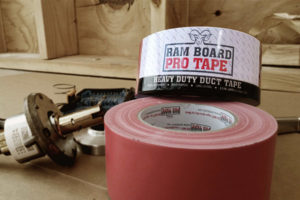 Before you apply duct tape, like Ram Board’s heavy-duty Pro Tape, make sure the surface is clean and dry. Duct tape has a pressure-sensitive, rubber-based adhesive that works best with a clean surface. This also lowers the risk of excessive residue after use. If there is some adhesive residue when it’s time to remove the tape, don’t sweat it. We’ve got five tips for how to remove sticky residue so you can get rid of the mess.
With these tips in mind, you’ll be able to take on any job without having to worry about leaving behind annoying marks or glue stains. Knowing how to remove duct tape adhesive from surfaces and using the right tape adhesive remover will help ensure your projects look perfect every time.
1. Scrape duct tape residue away
Don’t damage surfaces by using harsh chemicals or abrasives. Try to remove as much remaining residue as possible by using gentle techniques. Begin by peeling off any loose adhesive tape or residue with your fingers and use a plastic scraper (or a credit card) to gently scrape duct tape residue away. If you decide to use a metal putty knife or utility blade, be aware that you can scratch or gouge the surface – it’s important to try a gentler approach first to avoid permanent damage.
2. Use heat to melt tape adhesive.
This is one of the best ways to remove duct tape residue from delicate surfaces like painted walls.. Applying heat to the adhesive can help soften it, making it easier to remove.
- Use a hairdryer to warm up the residue on medium heat, and warm the residue for 20-30 seconds
- Work in small sections and gently scrape or wipe off the softened adhesive as you go. Be careful not to overheat the surface, especially if it’s heat-sensitive or made of plastic.
- Follow with a mild cleaner or soap i needed
3. Warm water and vinegar solutions can help remove left-over residue.
Use warm water and a damp cloth to gently remove the sticky glue. Like the hairdryer method, the warm soapy water helps soften the duct tape’s adhesive, making it easier to lift away. If you prefer a natural option, white vinegar is an easy way to remove tape residue – especially from glass or plastic. Adding equal parts vinegar to the warm water is safe for finished hardwood floors, but should no be used on unfinished wood. Soak the rag in the solution and place it over the affected area, letting it sit for a minute or two before gently wiping the adhesive away.
4. Use cooking oil or WD-40 to break down duct tape adhesive.
Many cooking oils can help break down the adhesive properties of duct tape residue. This trick works especially well with plastic surfaces. Apply a small amount of oil – vegetable oil or olive oil – directly to the residue and let it soak in. Gently rub the area with a soft cloth or sponge to lift off the residue. If necessary, repeat the process until the residue is completely gone.
WD-40 or Goo Gone is also a great product to use to remove duct tape residue from glass, finished hardwoods, fiberglass, and any other nonporous surface.
5. Try rubbing alcohol on nonporous surfaces for residue removal.
Isopropyl alcohol – yes, the kind you have under your sink or in your medicine cabinet – can work to dissolve duct tape adhesive. Apply a small amount of alcohol to a clean cloth and gently rub the residue. Be cautious when using alcohol since it could cause discoloration or damage. Test in an inconspicuous area first.
Find Ram Board Pro Tape Near You
Other duct tape residue removal tips
If the sticky residue just won’t give up, you can try using a commercial adhesive remover. Look for products designed to remove adhesive residues and follow the instructions on the product.
Before trying any of the methods above, it’s important to test them on a small, inconspicuous area of the surface first. This will help ensure that the method doesn’t cause any damage or discoloration to the surface. Different surfaces may require different cleaning methods. If you’re unsure about how to clean a surface or have concerns about potential damage, follow the manufacturer’s recommendations.