When Can You Cover a Newly Finished Hardwood Floor? A Cure-Time Guide by Finish Type

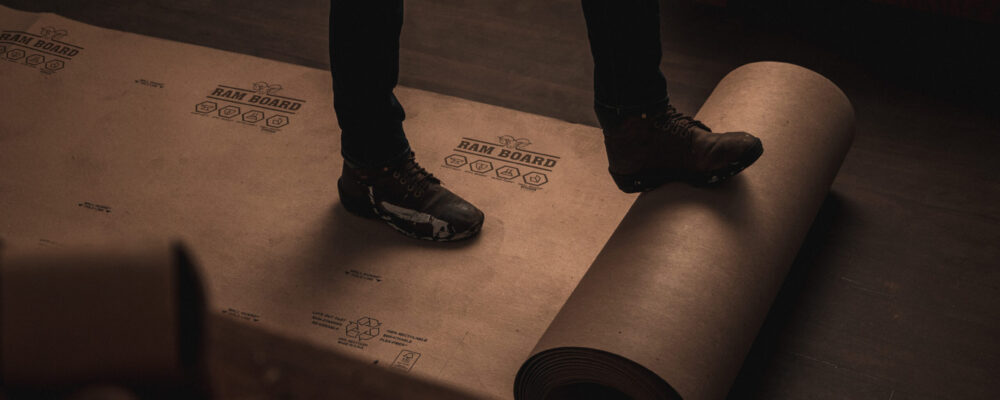
rolling out Ram Board on hardwood floor

After you finish your hardwood floors, keep them protected as the construction journey continues. Understand the differences between each finish type and how to protect it. If you aren’t sure where to start, our complete guide covers the differences between hardwood floor finishes and when and how to protect them.

Why Cure Time Matters Before You Cover Hardwood Floors

The surfaces may look or feel dry, but it’s important to follow certain tips and manufacturer guidelines before proceeding with floor protection products. During curing, solvents evaporate, and the finish hardens to develop its intended durability. Covering hardwood floors too soon can interfere with this process and potentially damage the finish.

Installing floor protection board before the finish has adequately cured can lead to several issues, including:

  • Finish discoloration: Trapped moisture or restricted airflow may alter the appearance of the finish.

  • Surface imprinting: Floor protection materials, ladders, tools, or jobsite traffic can leave marks. This can happen when the finish has not fully hardened.

  • Adhesion problems: Tapes, coatings, or protective coverings may stick to or affect an uncured finish.

  • Extended cure times: Non-breathable coverings can slow the curing process by limiting airflow and trapping moisture.

Because cure times vary by finish type, environmental conditions, and manufacturer, contractors should always review the finish manufacturer’s recommendations before installing temporary floor protection. Take the time to verify cure requirements, which can help prevent the pain of costly repairs, callbacks, and damage to newly refinished hardwood floors.

Finish
Type
Typical
Dry Time
Typical
Cure Time
Protection
Installation
Factors That
Extend Cure Time
Water-Based Polyurethane
~24 hrs
7-14 days
48-72 hrs*
Humidity, cold temps, poor airflow
Oil-Based Poly
24-48 hrs
30+ days
Several days*
Humidity, cold temps,
limited ventilation
Hardwax Oil Finishes
~24 hrs
7-14+ days
Per manufacturer
guidelines
Humidity, cold temps,
multiple coats
Moisture-Cured Urethane
& Specialty Finishes
Varies
Several
weeks
Per manufacturer
guidelines
Product requirements,
environment, poor airflow

*Always follow the finish manufacturer’s recommendations before installing floor protection.

Hardwood Floor Protection During Construction After Finishes Cure

Ram Board

Ram Board is a breathable, temporary floor protection solution for active job sites. It helps protect newly finished hardwood floors from dirt, scratches, and impacts while work continues.

  • Breathable floor protection

  • Suitable for high-traffic job sites

  • Helps prevent dirt, scratches, and impact damage

Ram Board Pro Sheets

Ram Board Pro Sheets provide the same trusted floor protection in a convenient pre-cut sheet format, making them ideal for smaller areas, hallways, and quick installations.

  • Pre-cut sheets for faster installation

  • Easy to position in high-traffic areas and work zones

  • Helps protect newly finished hardwood floors from dirt, scratches, and impacts

Ram Board Home Edition

Ram Board Home Edition offers reliable protection for residential and light-duty renovation projects.

  • Ideal for home renovations and DIY projects

  • Easy-to-install temporary floor protection for finished surfaces

Common Mistakes Contractors Make

ram board bend back method

Even experienced contractors can run into problems when protecting newly finished hardwood floors. Avoiding these common mistakes can help preserve the finish and prevent costly touch-ups or callbacks. 

One of the most common mistakes is covering a floor as soon as it appears dry. While the surface may be ready for light foot traffic, the finish is often still curing underneath. Installing protection too early can interfere with this process and increase the risk of damage.

Another frequent issue is using a plastic or non-breathable material to cover the floors, which can trap moisture and raise the risk of discoloration or finish problems. Environmental conditions are a huge risk as well; cool temperatures, high humidity, and poor airflow can significantly extend cure times. 

The most avoidable mistake is not following manufacturer recommendations. Cure times vary by finish, so it’s important to verify all the necessary information when you can safely cover the floor before you install temporary floor protection. 


Best Practices for Covering Newly Finished Hardwood Floors

Once the floor reaches the cure time the manufacturer recommends, take a few extra steps to avoid damage and costly repairs.

  • Confirm cure times: Always follow the finish manufacturer’s recommendations.

  • Keep floors clean and dry: Remove dust, debris, and moisture before installing protection.

  • Choose breathable protection: Use floor protection board products that allow the finish to continue curing.

  • Avoid adhesives on uncured finishes: Tape and other adhesives can damage or discolor the surface.

  • Inspect protection regularly: Check for moisture buildup, shifting material, or debris trapped underneath.

FAQ

The timeline depends on the finish type, temperature, humidity, and the manufacturer’s recommendations. Even if a floor feels dry, it may still be curing and should not be covered prematurely.

Yes, but only after the finish has reached the manufacturer’s recommended cure stage. Installing protection too soon can interfere with the curing process and potentially damage the finish.

Breathable floor protection products, such as Ram Board, are often preferred because they help protect floors from jobsite traffic while allowing airflow during construction.

Plastic and other non-breathable coverings can trap moisture and are generally not recommended unless the finish manufacturer specifically approves them.

Both provide heavy-duty floor protection, but Ram Board Plus features built-in Vapor-Cure™ technology, making it a good option when moisture management is especially important.

Yes. High humidity, low temperatures, and poor ventilation can significantly extend cure times and delay when you can safely install floor protection.

Edit Template
Facebook
X
LinkedIn