
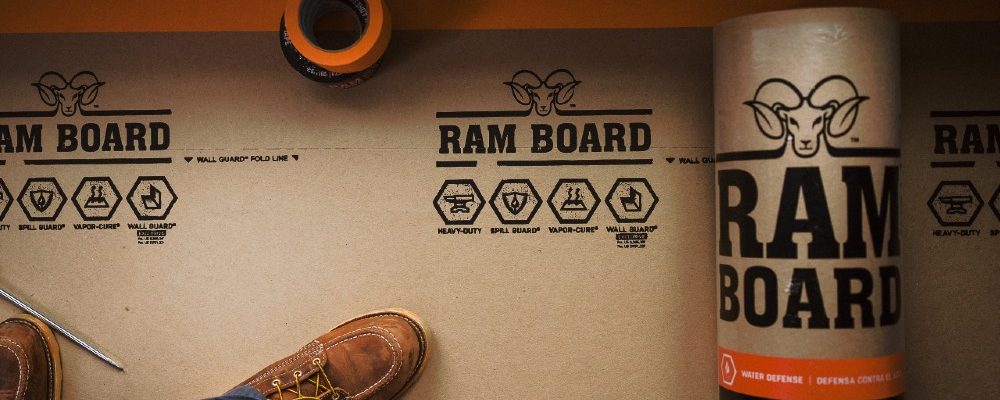
Ram Board has a reputation for being tough on the jobsite. It’s easy-duty, professional-grade floor protection that doesn’t flinch at dust, debris, or the occasional dropped hammer. But even the toughest materials have their limits. One of Ram Board’s biggest perks is its reusability, which makes it a favorite among contractors who like their protection durable and economical. Still, knowing when to reuse and when to retire your Ram Board is key to keeping your floors safe and your budget intact.
Yes, Ram Board Is Reusable – But How Often?
Let’s get this out of the way: yes, Ram Board is absolutely reusable. Its dense fiber construction and rugged durability mean it’s built to take a hit but can keep on protecting like a champ. But how many times can you reuse it? That’s like asking how many cups of coffee a contractor needs to survive Monday. It depends.
The lifespan of Ram Board varies based on several factors: the type of work being done, how much foot traffic it sees, whether heavy equipment is rolling over it, and how it’s stored between uses. Some contractors get 2 to 5 uses out of a single roll of Ram Board. Others might stretch it further with a little TLC. The key is knowing what affects its longevity, and how to spot when it’s time to say goodbye.
4 Factors That Affect Reusability
1. Jobsite Environment
Is your jobsite a peaceful painting project or a full-blown demolition? High foot traffic, muddy boots, and unpredictable weather can wear down Ram Board faster than a quiet, climate-controlled interior job. Wet conditions especially can shorten its lifespan if the board isn’t properly dried and stored.
2. Type of Trade Work
Painting and finishing work? Ram Board barely breaks a sweat. Demolition, tile cutting, or anything involving heavy machinery? That’s where the real stress test begins. The more aggressive the work, the fewer reuses you’ll get.
3. How Ram Board Is Installed
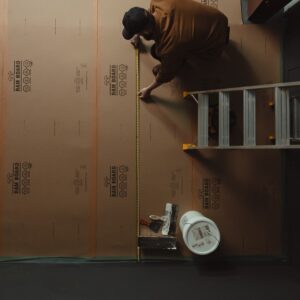
Installation matters. Sloppy taping, overlapping sheets, or leaving gaps can lead to damage. A clean installation with proper seam and edge tapes (Ram Board’s own tapes are designed for the job) helps extend the life of each roll of Ram Board.
4. Storage Between Uses
Ram Board isn’t picky, but it does have standards. After a job, store it in a clean, dry place. Folding or stacking wet, dirty boards is a fast track to warping and mold. Treat it like a tool, not trash, and it’ll reward you with more mileage.
 Signs It’s Time to Get a New Roll of Ram Board
Even the best surface protectors eventually wave the white flag. Here’s what to look for:
- Deep gouges, punctures, or excessive tearing
- Soft or frayed edges that won’t lie flat
- Moisture damage, warping, or curling corners
- Mold, mildew, or funky smells (never a good sign)
- Paint, chemical, or adhesive contamination that could affect the floor below
Inspect your board after each job or project phase. If it’s beat up, it’s time to retire.
Tips to Make Ram Board Last
Want to get the most out of your Ram Board? Try these:
- Store it flat, dry, and clean
- Clean up paint and spills immediately
- Avoid cutting more than necessary, and cut with precision with Ram Board’s Multi- Cutter
- Use Ram Board Seam & Edge tapes for best results
Get Started with Ram Board Today
Ready to protect your floors like a pro? Ram Board is tough, reusable, and built to last. Grab a roll, install it right, and let it do the hard work again and again.