

Beautiful, newly installed floors can be ruined long before the final walk-through. Many contractors overlook what happens to the flooring after installation.
In a fast-paced environment, many moving parts can affect a finished floor, from drywall crews to cabinet installers. Successful flooring projects require more than proper installation. Surface protection is important to make sure the floor stays as pristine as it was when first laid down. Here are common errors that every contractor should keep in mind during a project.
Ignoring Subfloor Moisture
The Problem
Excess moisture beneath the floor can lead to buckling, warping, lifting, and adhesive failures. Whether installation is over concrete or wood, skipping moisture testing can lead to expensive repairs, delays, and unhappy clients.
How to Avoid It
Use the appropriate ASTM method to test every job.
Ensure concrete and wood substrates meet the manufacturer’s specifications before installation.
Verify that HVAC systems are operational, and environmental conditions are stable.
Moisture issues do not disappear after installation, which is why protecting newly installed floors is important.
Skipping Acclimation and Site Conditioning
The Problem
When flooring materials have not had time to adjust to jobsite conditions, they may gap, shrink, expand, or separate.
How to Avoid It
Maintain the recommended temperature and humidity levels before, during, and after installation.
Allow flooring materials to have adequate time to acclimate based on manufacturer guidelines.
Monitor the conditions with a hygrometer.
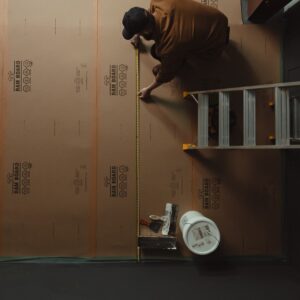
Running on a tight schedule can make contractors feel rushed, which can lead to bigger delays in the long run. After you acclimate and install the flooring, you must continue protecting it from debris and traffic. Ram Board® provides breathable, heavy-duty protection to safeguard finished surfaces while construction continues.
Creating Improper Expansion Gaps
The Problem
If you install flooring too tightly, issues like peaking, squeaking, and buckling can start popping up as the floor expands and contracts.
How to Avoid It
Leave a proper amount of space for expansion gaps based on manufacturer recommendations.
Use spacers and keep track of gaps during installation.
Incorporate transition breaks every 40ft in length or 25ft in width for floating floors.
Proper expansion gaps help give flooring the room it needs to expand and contract after installation. Follow the flooring manufacturer’s recommendations, use spacers to maintain consistent gaps, and avoid restricting movement when protecting the finished floor. If temporary floor protection like Ram Board® is used after installation, make sure it’s installed without interfering with the required expansion areas.
Installing Over Uneven Subfloors
The Problem
Signs of an uneven substrate can include click-lock systems separating, hollow sounds, and rocking planks. Many installers assume rigid core flooring will compensate for any imperfections. The truth is that even the most durable flooring needs a properly prepared subfloor.
How to Avoid It
Check how flat the ground is with a long straightedge or laser level.
Fill low spots and grind high spots before installation.
Follow manufacturer flatness tolerances.
Have a repeatable system in place that helps to eliminate guesswork and minimize errors.
Working in Poor Jobsite Conditions
The Problem
Installing flooring before the environment is stabilized can lead to failures later. Fresh paint, drywall finishing, pressure washing, and incomplete HVAC systems can significantly impact moisture levels and temperatures.
How to Avoid It
Make sure HVAC systems are operational
Avoid installing immediately after high-moisture construction activities.
Maintain stable environmental conditions during the job.
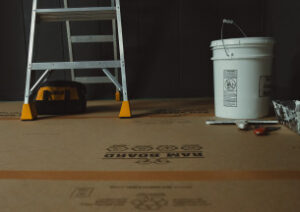
After flooring installation, it is important to protect it from ladders, carts, dropped tools, and heavy foot traffic. Using a heavy-duty surface protector like Ram Board Pro Sheets® over new flooring helps it look great. It will look just as good at the final walkthrough as it looked on installation day.
Experience Matters, But Preparation Matters More
 Rather than one major mistake, flooring failures usually result from skipping a small step during preparation and installation.
Being meticulous about moisture testing, acclimation, substrate preparation, material selection, and environmental monitoring creates the most successful installation. Protecting finished floors puts you a step above the rest.
Ram Board® delivers tough surface protection built to keep up with the job from start to finish. With finished floors protected, contractors can spend less time worrying about damage and more time getting the job done. Because a great floor installation doesn’t end with the last plank. It ends with a final result you’re proud to put your name on.